September 25, 2026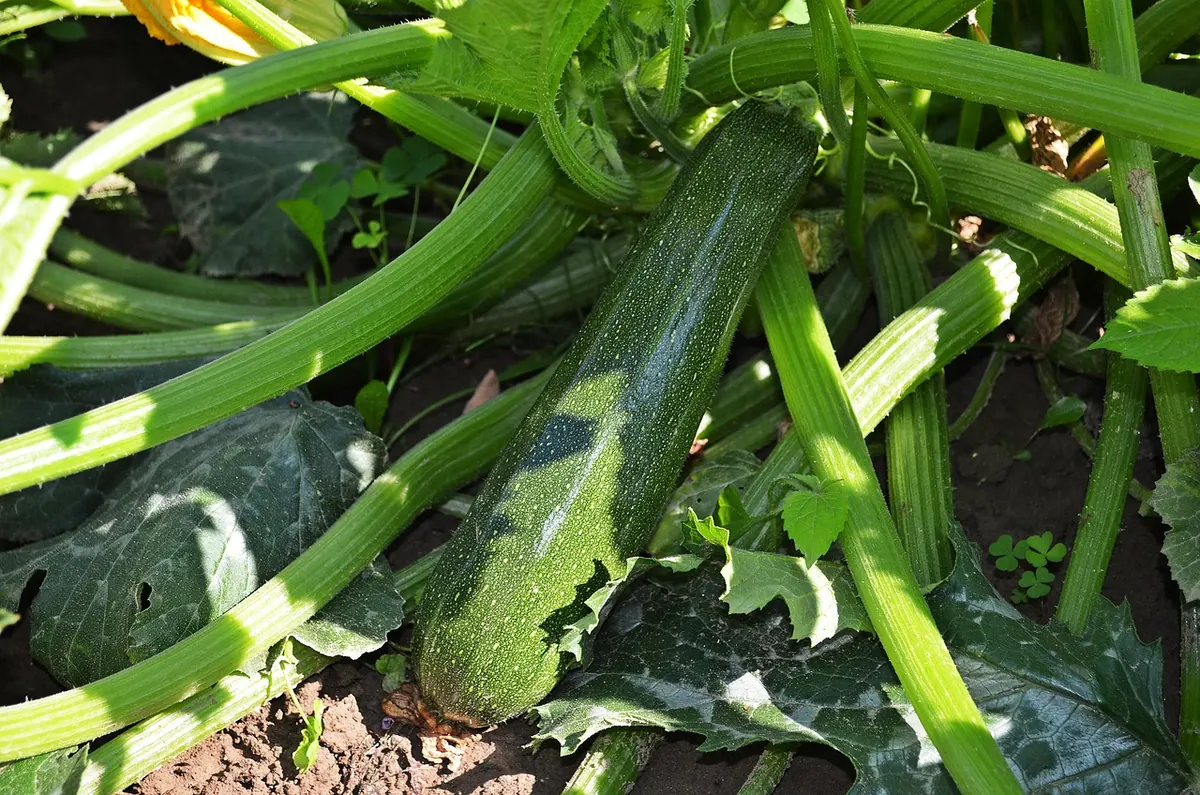
Courgettes have a reputation for being almost too generous. Sow a seed in late spring, keep the water up, and by August you are foisting marrows on anyone who stands still long enough. Then something goes wrong. Flowers open and drop without setting a single fruit. The leaves dust over with white powder. The foliage yellows from the bottom up. Or a homegrown courgette turns out to be so bitter it makes you wince. None of these is the end of your crop. Almost every courgette problem comes down to a short list of causes — weather, water, airflow, feeding and pollination — and once you recognise what you are looking at, the remedy is usually simple.
Flowers everywhere, but no courgettes
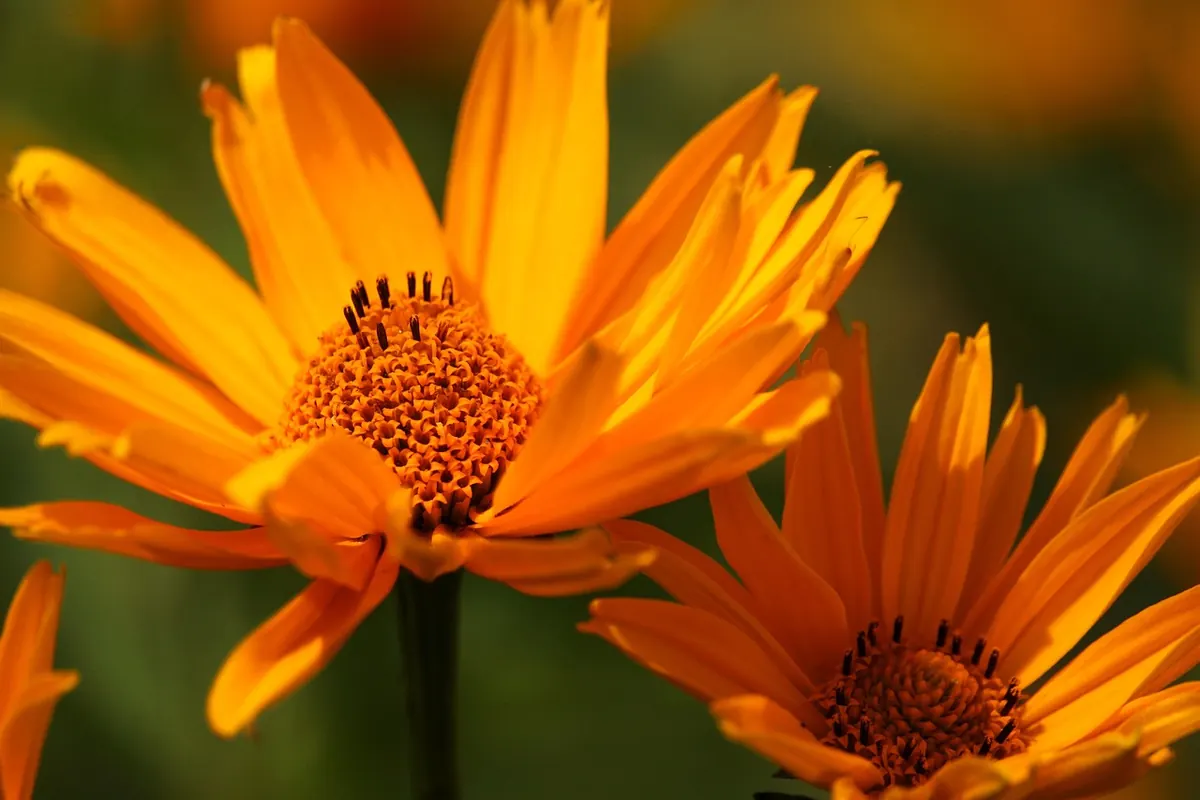
This is the most common complaint, and it is nearly always a pollination problem. Courgettes carry separate male and female flowers on the same plant, and they are easy to tell apart once you know how. Male flowers sit on a thin, straight stem. Female flowers have a tiny courgette — the undeveloped fruit — sitting directly behind the petals. If that little fruit yellows, shrivels and drops off, the flower was never pollinated.
Cold, wet, windy weather keeps bees at home, and early in the season plants often produce only male flowers for a week or two. Both situations sort themselves out, but you can hurry things along:
- Pick a freshly opened male flower in the early morning, when pollen is dry and loose.
- Tear off the petals to leave the pollen-covered centre.
- Find a female flower that opened that day and gently roll the male centre over its stigma, the knobbly yellow centre inside. A soft paintbrush works just as well.
- Repeat every couple of days while flowering is poor. One good pollination is enough for one fruit.
While you are at it, avoid the temptation to cut off male flowers for the kitchen. Take a few by all means — they are excellent stuffed and fried — but leave plenty behind, or you will have nothing to pollinate with.
Powdery mildew: the white dusting on the leaves
Powdery mildew looks alarming: a floury white coating spreading across the surface of the leaves from midsummer onwards. It thrives when plants are dry at the roots but the air around them is humid and still. Crowded plants, a hot dry spell followed by heavy dew, and irregular watering all make it worse.
- Water the soil, not the plant. Aim the can at the base, in the morning, so the foliage dries before evening.
- Give plants room. A metre between courgettes feels generous in June and looks about right by August.
- Mulch. A layer of compost or grass clippings around the base keeps moisture steady and roots cooler.
- Remove the worst leaves and bin them rather than composting, to slow the spread.
- Try a milk spray. A traditional mix of one part milk to nine parts water, sprayed on the leaves weekly, is worth trying on light infections. It will not cure a badly affected plant.
- Keep picking. A plant that is still cropping will keep pushing out new growth and can outrun the mildew until the first frosts.
Some varieties do show better resistance than others, so if mildew ruins your crop every year, it is worth trying a different one.
Yellow leaves: read the pattern
Courgette leaves turn yellow for several different reasons. Where the yellow appears tells you which one you are dealing with.
The oldest leaves at the base
If the bottom leaves yellow and die back while the rest of the plant looks healthy and is cropping well, that is normal. The plant is simply sacrificing old foliage. Cut them off at the stem and carry on.
Yellow between green veins
This pattern usually points to a shortage of magnesium, common in sandy soils and in containers. A foliar feed of Epsom salts, diluted according to the packet instructions, often greens things up within a fortnight. Hungry plants in pots also benefit from a general liquid feed.
Whole leaves yellowing and wilting
Check the soil first. Waterlogged roots go yellow and limp, and so do roots that have been left bone dry. Courgettes in containers are especially vulnerable: they dry out fast, and a plant that is alternately parched and flooded will sulk. Push a finger into the compost. If it is soaking, hold off the water and check the drainage holes are clear.
If the yellowing is patchy, mosaic-patterned or the leaves are puckered and mottled, that may be a virus spread by aphids. There is no cure; remove the plant to protect its neighbours.
Bitter fruit
Courgettes produce a compound called cucurbitacin, which is what gives them their slight peppery edge. When a plant is badly stressed — by drought, extreme heat, or a stop-start watering regime — levels can rise sharply. Cross-pollination with ornamental gourds growing nearby can do the same thing.
The fix is simple: taste a small slice before you cook the rest. A little bitterness is fine. A courgette that is aggressively bitter should go on the compost rather than the plate, as eating a lot of it can cause stomach cramps and nausea. If you feel unwell after eating one, seek medical advice. Otherwise, steady watering and growing your courgettes well away from any ornamental squash relatives will keep the flavour mild.
Keeping plants on track
Most courgette troubles are prevented rather than cured. Keep the soil consistently moist — around two to three litres per plant per day in hot weather, more in containers — and water in the morning at the root. Feed with a high-potash tomato feed once the first fruits set, roughly every fortnight. Pick fruits when they are 10–15cm long; leaving them to swell to marrow size tells the plant to slow down and invites mildew and bitterness. Finally, harvest every day or two in peak season.
A five-minute weekly check
- Push a finger into the soil: dry at 2cm means water today.
- Pick the best male flower and hand-pollinate any female flower in bloom.
- Snip off yellowing lower leaves and any leaf with heavy mildew.
- Look under leaves for aphids, red spider mite and slugs.
- Harvest everything ready, even if the fridge is full.
Do that, and the plants will repay you for months — right up to the point where you start hiding bags of courgettes on neighbours' doorsteps again.
Photo: krzys16 / Pixabay