September 20, 2026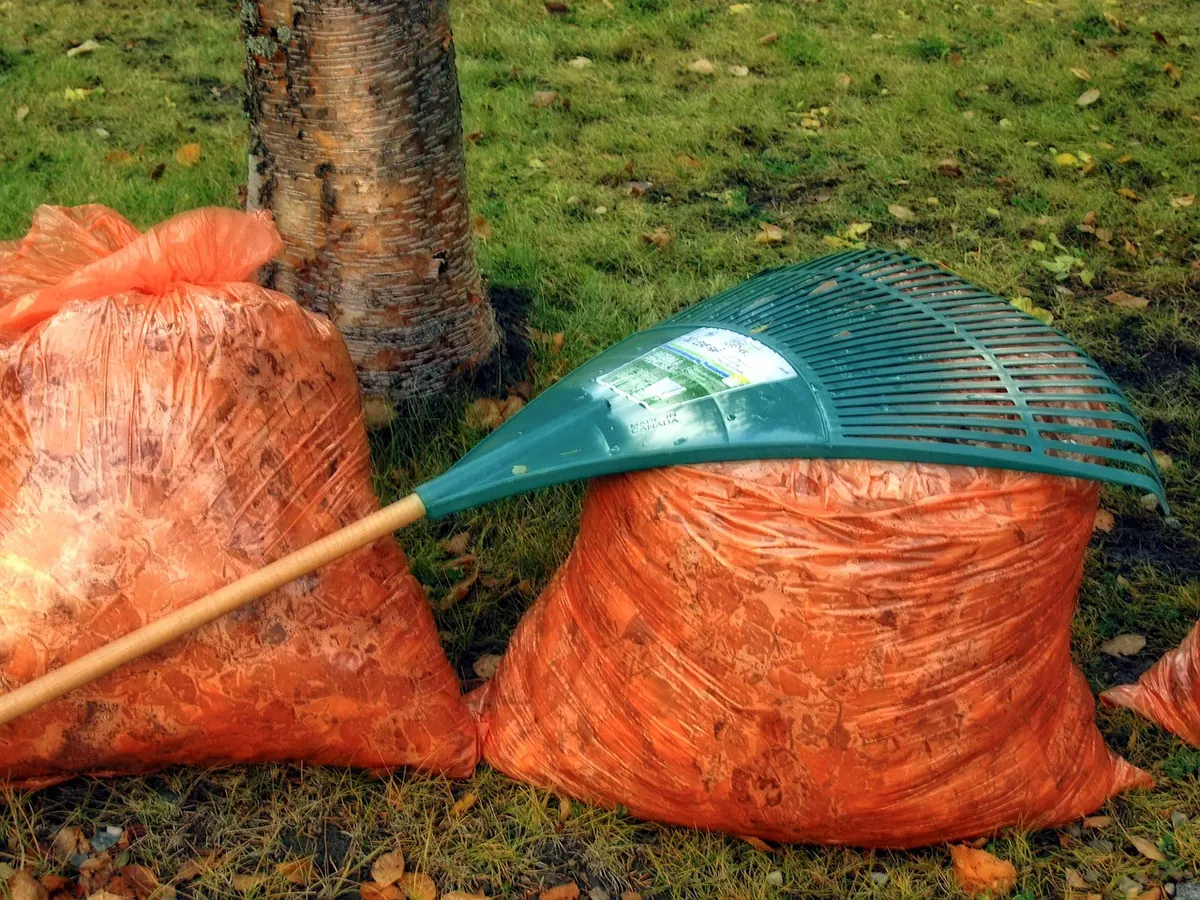
Autumn is the season that quietly decides how your garden will look next spring. Growth slows, light drops, and every job you do now — or skip — shows up in March. The good news is that none of it is complicated. September to November is mostly about clearing, planting and protecting, done in roughly that order. Treat this as a checklist to work through rather than a list to feel guilty about: pick what matters in your plot and let the rest wait.
September: clear, feed, divide
September does the heavy lifting. The soil is still warm from summer, root growth is strong, and anything you plant or repair now has weeks to settle before the cold arrives. Leave it until November and you are working against the weather.
Start with the leaves
Begin clearing fallen leaves as soon as they start dropping, and keep at it weekly rather than saving it all for one heroic session in November. A thick, wet layer left on a lawn blocks light and air, and you will be patching bald spots in spring. Rake them into a wire bin, or stuff them into bin bags with a few holes punched in the sides. Keep the bags damp and tucked out of sight. In a year or two you will have leaf mould, the best free soil improver there is. Oak, beech and hornbeam take longest to break down; sycamore, lime and most fruit leaves go faster.
Repair the lawn
Early September is the best window for lawn work. Scarify to pull out dead thatch, spike compacted patches with a garden fork, and overseed thin areas — the seed needs warmth still in the ground to germinate. Follow with an autumn lawn feed, the kind that is low in nitrogen and higher in potassium, so you harden growth rather than push out soft new leaves. Keep mowing, but raise the blades. Scalping a lawn now leaves it more vulnerable to cold and to moss.
Plant and divide
Get spring bulbs in from mid-September: daffodils, crocus, muscari and alliums. Plant each bulb about three times its own depth, and put them in drifts rather than neat rows if you want them to look natural. Divide herbaceous perennials that have become congested — on light, sandy soils autumn is ideal, while on heavy clay it is usually safer to wait until spring. Set out new shrubs and perennials while the ground is warm, and order bare-root trees, roses and fruit bushes for delivery from November onwards.
October: tulips, tender plants and bare roots
October is the crossover month. The first frosts may arrive, and anything tender needs to be off the patio before they do.
Tulips are the exception to the autumn bulb rule. Planting them in November rather than September reduces the risk of tulip fire, a fungal problem that disfigures the foliage and flowers. Wait until the soil has cooled and the risk of a mild, damp spell has passed.
Lift dahlias and gladioli after the first frost has blackened the foliage. Cut the stems back to a few inches, dry the tubers or corms somewhere airy and frost-free, then store them in trays of dry compost or newspaper in a cool shed. Begonias, cannas and pelargoniums need the same treatment. Citrus, olives and other conservatory plants should come indoors before night temperatures drop to around 5°C, and watering should be cut back sharply.
Clean greenhouse glass, inside and out. Winter light is precious, and grimy panes cost you more of it than you would think. Line the frame with bubble insulation if you are overwintering tender plants, and ventilate on mild, sunny days to keep damp air moving.
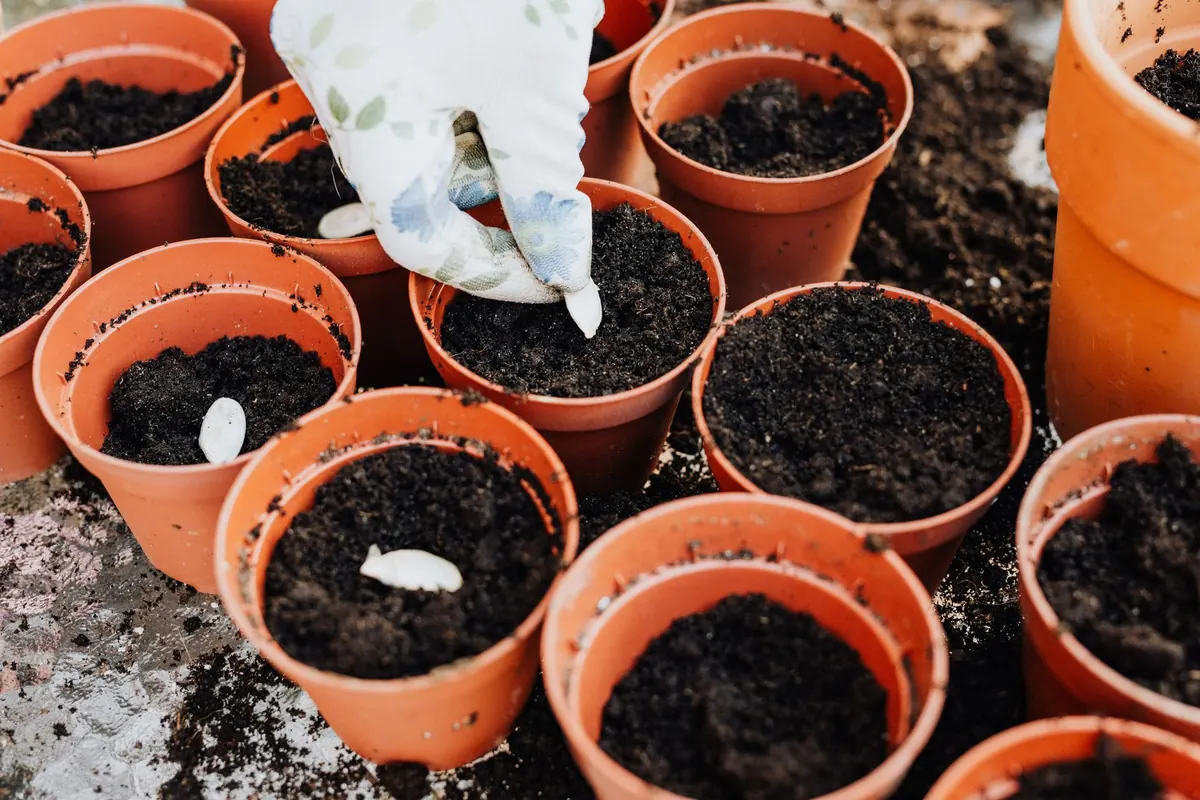
From November through to March, bare-root planting is the cheapest and most reliable way to establish hedging, trees, roses and fruit. The plants are dormant and settle in with little stress — provided the ground is neither frozen nor waterlogged. Plant garlic cloves and autumn-sown broad beans too, in a sheltered spot with decent drainage.
November: frost protection and the last clear-up
By November the aim shifts from growing to protecting.
Move pots onto feet or bricks so water drains away instead of sitting in a saucer and freezing around the roots. Terracotta and glazed containers can crack in a hard frost; wrap them in hessian or bubble wrap, or group them against a sheltered wall. Tender plants that stay outside need fleece, a cloche, or a dry mulch of straw or bracken around the crown. Tree ferns benefit from having their fronds gathered upwards and the crown packed with straw.
Lag outdoor taps and insulate exposed pipes before the first hard freeze. Drain hosepipes, coil them somewhere dry, and empty plastic water butts if a sharp cold spell is forecast, since ice can split them. Check gutters and downpipes for leaves — a blocked gutter sends water down the wall and into the foundations. If that means working at height, use a proper ladder on firm, level ground, and get someone to foot it. If you would rather not, call someone in.
Mulch borders once the ground has cooled but before it freezes hard, keeping material clear of stems and crowns. On heavy, wet clay it is often better to wait until spring, as a thick mulch can hold water against the roots through winter.
Finally, leave the secateurs alone in places. Seedheads on teasels, echinops, sedums and ornamental grasses feed birds through the cold months, while hollow stems and leaf litter shelter insects, frogs and hedgehogs. Cut back only what is diseased, slimy or flopping over a path. If you are burning debris, check the pile for hedgehogs first and lift it with a fork rather than setting light to it.
The tick list
Keep this somewhere useful and cross off what applies to your garden.
- September: rake leaves weekly; scarify, aerate and overseed the lawn; apply autumn feed; plant daffodils, crocus and alliums; divide crowded perennials.
- October: plant tulips; lift dahlias and gladioli; bring tender plants indoors; clean and insulate the greenhouse; begin bare-root planting and put in garlic.
- November: raise pots on feet; wrap containers; fleece tender plants; lag taps, drain hoses and clear gutters; mulch borders; leave seedheads and a leaf pile for wildlife.
- All three months: stay off frosted or waterlogged grass, water pots sparingly but do not let them dry out completely, and check stored bulbs and tubers for rot.
If you only do five things
Keep leaves off the lawn. Get the bulbs in — daffodils in September, tulips in November. Give the grass an autumn feed and a final high cut. Protect anything tender before the first hard frost, not after. And leave the rest standing for the birds and the hedgehogs.
Everything else can wait. A garden does not need to be pristine to come through winter well; it needs the handful of jobs that matter done in the right order, at roughly the right time. Miss something this year and make a note for next — the seasons are reliable, and there is always another autumn.
Photo: ArtTower / Pixabay