September 17, 2026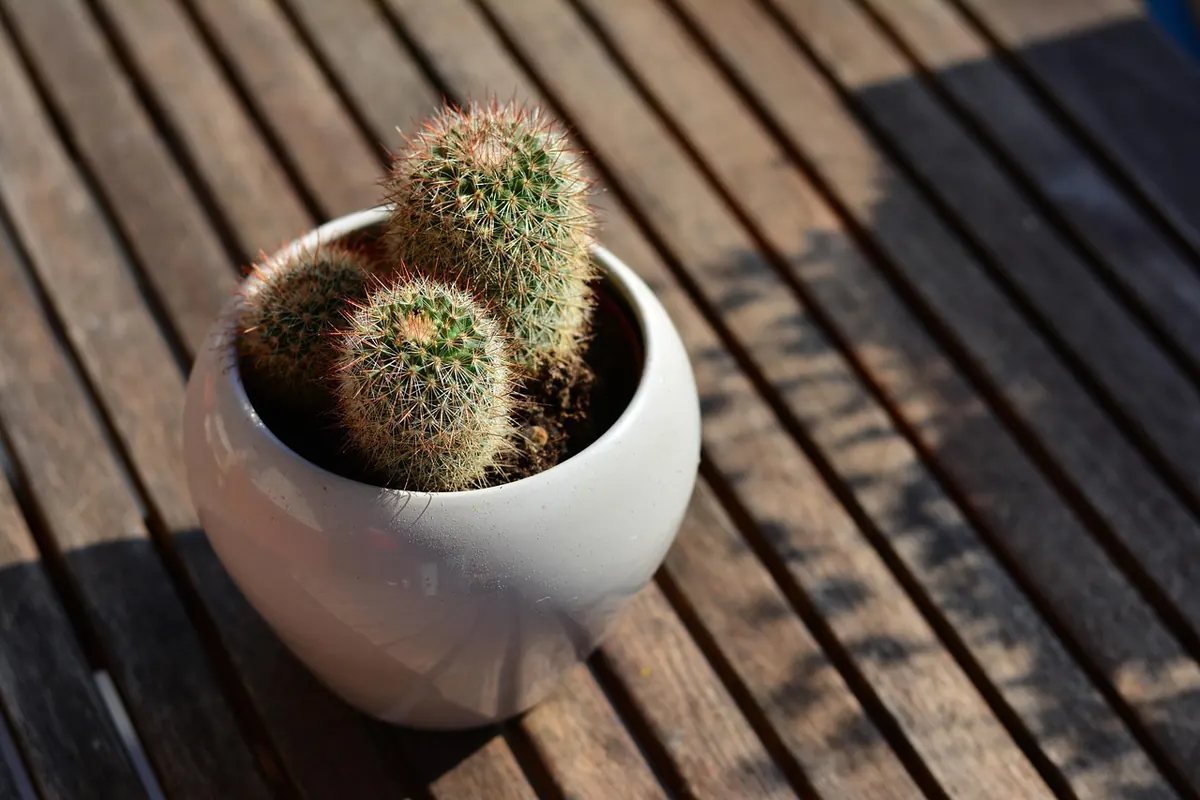
A balcony is not the easiest place to garden. Wind strips moisture from leaves, the overhang above turns steady rain into a trickle, and a north-facing aspect may give you barely two hours of direct sun in midsummer. None of that rules out herbs. Mint, chives, parsley, thyme and rosemary come from rocky hillsides and woodland edges, where conditions are lean and changeable. Give them a decent pot, the right compost and a sensible watering routine, and a modest balcony will keep you in fresh herbs for most of the year.
Read your balcony before you buy anything
Spend a day watching the space. Note where the sun lands and for how long, which corners stay damp, and where the wind funnels between buildings. A south-facing balcony can become a heat trap, drying pots within hours on a July afternoon. East-facing gets gentle morning sun and is often kinder to leafy herbs. West-facing is warm but late, which suits Mediterranean herbs that like a baking. North-facing means shade for most of the day — workable, but it narrows your choices.
Wind matters as much as light. Even a light breeze on the fourth floor pulls water out of leaves and compost far faster than the same plant would lose at ground level. If your balcony is exposed, plan for more watering, heavier pots and some form of shelter. If it sits under the balcony above, remember that rain may never reach the back row of pots at all.
Which herbs will actually thrive
Match the plant to the spot rather than fighting it. As a rough guide:
- Copes with shade or part shade: mint, chives, flat-leaf and curly parsley, chervil, lemon balm, sorrel, wild rocket and coriander (which will still bolt in heat, so sow little and often).
- Wants full sun and sharp drainage: rosemary, thyme, oregano, sage, winter savory and French tarragon.
- Wants warmth and shelter: basil and coriander, both of which sulk below about 10°C and blacken at the first frost.
- Happy in a large pot for years: bay, rosemary and sage, provided they are not waterlogged.
Grow mint in its own pot, always. It spreads by running roots and will smother anything sharing its compost within a season.
Pots, compost and drainage
Size matters more than style. A single herb wants a pot at least 20–25cm across, and 30cm or more is better; small pots dry out twice a day in summer and leave roots cooking. Terracotta looks lovely but loses moisture quickly, so it suits rosemary and thyme better than basil or mint. Glazed ceramic and plastic hold water longer.
Every pot needs drainage holes, and you should empty any saucer within an hour of watering. For Mediterranean herbs, mix multi-purpose compost with about a quarter by volume of horticultural grit or perlite. For parsley, chives and mint, ordinary multi-purpose compost is fine, though a loam-based mix such as John Innes No. 2 holds nutrients and moisture for longer.
On a windy balcony, weight is your friend. Group pots together, push the tallest to the wall, and avoid tall, light containers that tip in a gust.
Planting up: five minutes, done properly
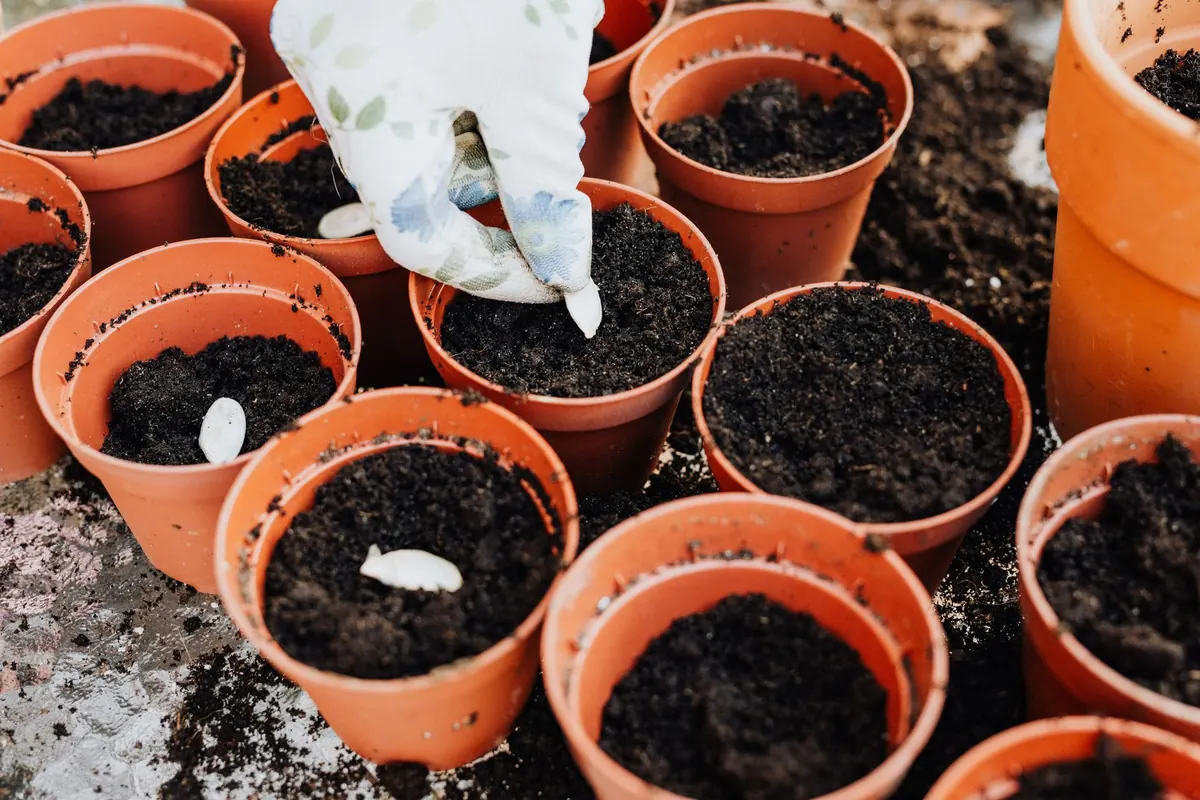
- Water the plants in their nursery pots an hour beforehand so the rootball holds together.
- Part-fill the new pot with compost and firm it gently — no compacting.
- Ease the plant out, tease out any circling roots, and set it so the compost surface sits at the same level as before.
- Fill around the rootball, pressing the compost down in layers to close air pockets.
- Leave a 2–3cm gap below the rim so water has somewhere to sit while it soaks in.
- Water thoroughly until it runs from the base, then keep the pot out of strong sun for a few days.
Watering and feeding without guesswork
Watering
Check before you pour. Push a finger in to the second knuckle, or lift the pot — a light pot is a dry pot. Water until it runs out of the bottom, ideally in the morning so foliage dries before evening. In a hot, windy spell you may need to water twice a day; in October, once a week may be plenty. Never assume rain has done the job. Water that has stood in a can for an hour is kinder to basil than straight cold tap water.
Feeding
Compost holds enough nutrients for roughly four to six weeks. After that, feed every fortnight through spring and summer with a diluted liquid feed — a general one for leafy herbs, a tomato feed for basil and mint, which are the hungriest of the group. Rosemary, thyme and oregano need very little; rich feeding produces soft, floppy growth with weaker flavour and more aphids. Stop feeding from late autumn until new growth appears in spring.
Wind, shade, pests and winter
A low windbreak — a row of sturdier pots, a trellis with netting, or a sheet of horticultural fleece on the worst days — makes a real difference. In shade, rotate pots every week or two so each side gets a turn at the light, and keep leaves dust-free so they photosynthesise efficiently.
Check leaf undersides weekly for aphids and whitefly; a firm jet of water dislodges most of them. Red spider mite shows up as fine webbing in hot, dry corners. Mint can develop rust, which appears as orange spots — cut the plant back hard and clear away the debris.
In winter, cut watering right back. Rosemary, thyme, sage and bay are hardy but hate sitting wet, so raise pots onto feet and tip out saucers. Basil and coriander are best treated as annuals and replaced each spring.
Start small and keep it going
Three pots is a better first attempt than twelve. For a shady balcony, try mint, chives and parsley. For a sunny one, rosemary, thyme and basil. Harvest little and often rather than letting plants run to flower, cutting mint and basil just above a pair of leaves to encourage bushy regrowth. Keeping the collection small enough to water properly is the single most useful thing you can do — a well-tended trio will out-produce a neglected windowsill of twenty.
Photo: congerdesign / Pixabay