September 16, 2026
By early March the light is back, the soil is starting to warm, and the seed packets are calling. This is the moment when a surprising number of hardy annuals can go straight into the ground — no windowsills, no pots, no pricking out. Sow them now and many will flower from June well into autumn, often dropping seed to come back next year without any help from you.
Below are ten reliable choices for direct sowing, plus the spacing each one needs and the small jobs that make the difference between a few straggly stems and a proper patch of colour.
Why March Suits Hardy Annuals
Hardy annuals germinate in cool soil, which is exactly what you have in early spring. They complete their whole life cycle in one year, and they tolerate a light frost without sulking. Some gardeners sow them in September instead, but a March sowing catches up quickly once the days lengthen.
Two conditions matter more than the date on the calendar. The soil should be workable rather than waterlogged, and it should not be frozen. If the ground sticks to your boots in claggy lumps, wait a week or two. If you garden on heavy clay or you are in the north of Scotland, late March or early April is a safer bet than the first week of the month.
Preparing a Seed Bed in Four Steps
Annuals are not fussy, but they do need a fine, crumbly surface to germinate in. A little preparation now saves a lot of thinning and weeding later.
- Clear the ground of weeds, especially perennial roots such as bindweed or couch grass, and remove any large stones.
- Fork over the top 15–20cm, breaking up clods as you go. Skip this if the soil is wet — you will do more harm than good.
- Spread a 2–3cm layer of garden compost or well-rotted manure over poor ground and fork it into the surface.
- Rake the area to a fine tilth, firm it gently with the back of the rake, then rake again to leave an even surface.
Mark out rows with string if you like straight lines, or simply scatter seed in patches. Both work; patches tend to look more natural in a border.
Ten Hardy Annuals to Sow This Month
Calendula (pot marigold)
Sow 1cm deep and thin to 25–30cm apart. The orange and yellow daisies open for months, the petals are edible, and plants self-seed generously. Deadhead regularly to keep flowers coming.
Cornflower
Sow 1cm deep and thin to 20–30cm. Classic blue is the toughest, though pink and white mixes are widely sold. Excellent for cutting, and bees work the flowers all summer.
Nigella (love-in-a-mist)
Barely cover the seed and thin to 15–20cm. It flowers quickly, seeds itself around without becoming a nuisance, and the striped seed pods are worth leaving on the plant for drying.
Californian poppy
Sow on the surface and thin to 15–20cm. It has a taproot and hates being moved, so direct sowing is genuinely the best method. The flowers close in dull weather, which is part of the charm.
Clarkia
Press seed into the surface rather than burying it, then thin to 20–25cm. Taller varieties may need a little twiggy support. It copes with light shade better than most annuals on this list.
Field and Shirley poppies
Sow on the surface and thin to 20–30cm. The seed needs light to germinate, so do not cover it. Scatter thinly — seedlings resent being crowded.
Sweet peas
Nick the seed coat with a knife or soak overnight, then sow 2–3cm deep and 15–20cm apart in a row. Put netting or a wigwam in place at sowing time. Direct-sown plants flower later than autumn-sown ones, but they will still give you stems from midsummer.
Borage
Sow 1cm deep and thin to 30–45cm. Bees love it, the blue star flowers taste faintly of cucumber, and it self-seeds readily. Plants can flop in wind, so site them among sturdier neighbours.
Ammi majus
Sow on the surface or just 1cm deep, thinning to 30–45cm. The lacy white flower heads are superb in arrangements. Tall plants may need staking or a supportive companion such as cornflower.
Candytuft
Sow 1cm deep and thin to 15–20cm. Low-growing and compact, it works well at the front of a border and mixes neatly with nigella and cornflower in a cut-flower patch.
How to Sow Directly
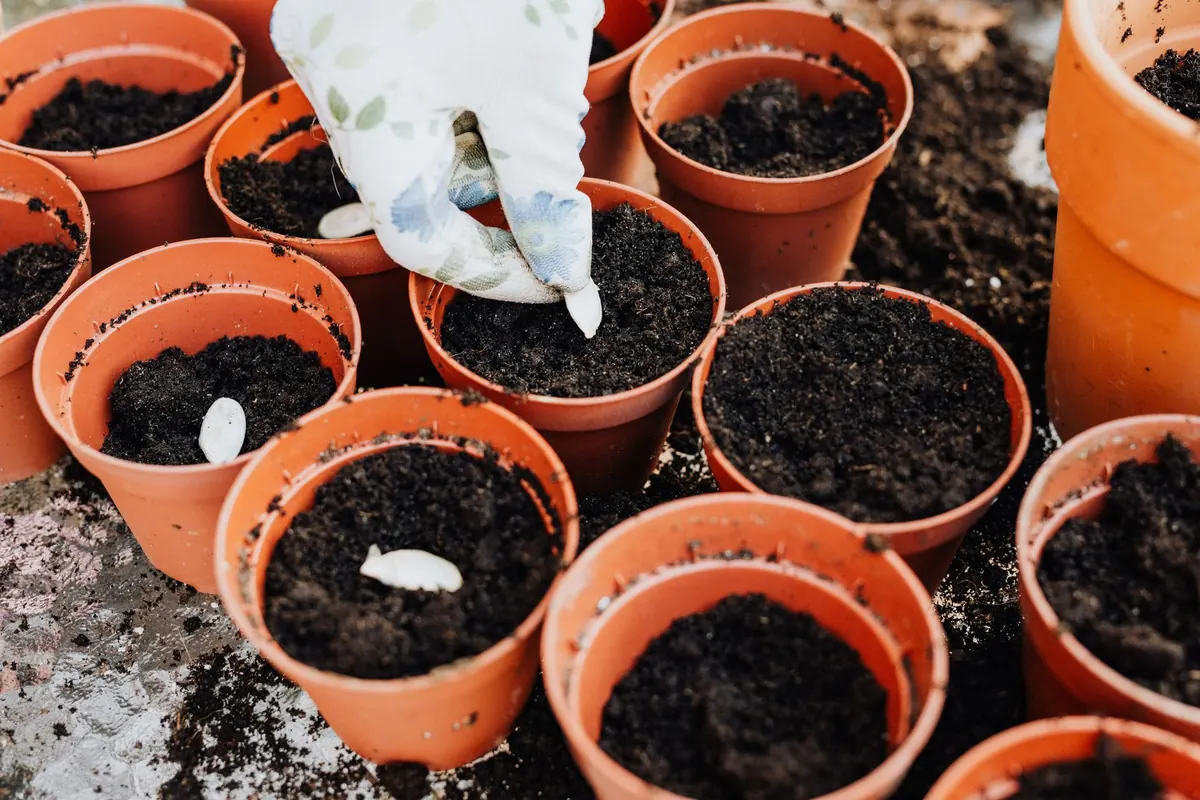
Sow at roughly two to three times the depth of the seed. Tiny seed goes on the surface and is pressed in, not buried.
Draw shallow drills with the corner of a hoe, or broadcast seed over a patch and rake it in lightly. If the soil is dry, water the drill before sowing rather than after, then leave the surface undisturbed. Watering afterwards can wash small seed into clumps.
Label each row with the name and the date. Germination takes anywhere from a week to three, depending on the weather, so a label stops you mistaking seedlings for weeds and hoeing them off.
Thin in two stages. Once seedlings have two true leaves, remove the weakest to about 5cm apart. A fortnight later, thin again to the final spacing listed above. It feels brutal, but crowded annuals produce weak, mildewed plants and far fewer flowers.
Aftercare Through the Season
Once plants are established, a few simple habits keep them flowering:
- Water deeply during dry spells rather than little and often — this encourages roots to go down.
- Deadhead every few days, unless you want seed to ripen for next year.
- Watch for slugs when seedlings are small; a night patrol with a torch is more effective than most deterrents.
- Feed only if leaves look pale or growth stalls. Annuals in decent soil rarely need it, and too much nitrogen gives you leaves instead of flowers.
- Stake ammi, sweet peas and tall clarkia early, before the plants need rescuing.
Aphids usually arrive in early summer. A strong jet of water from the hose knocks them back on small plantings, and ladybirds often do the rest.
A Few Practical Last Thoughts
Sow in small batches a fortnight apart if you have the space. A staggered sowing spreads the harvest and covers you if a late frost or a slug raid thins the first row.
Keep a little fleece or cloche handy for a cold snap in late March or April. It is rarely needed, but it turns a potential loss into a minor inconvenience.
Finally, do not panic if nothing appears within a week. Cool soil slows everything down, and germination is often uneven across a patch. Give it three weeks before you decide a row has failed, then simply sow again alongside it — most hardy annuals flower perfectly well from an April sowing, just a little later.
Photo: King Ho / Pexels