September 27, 2026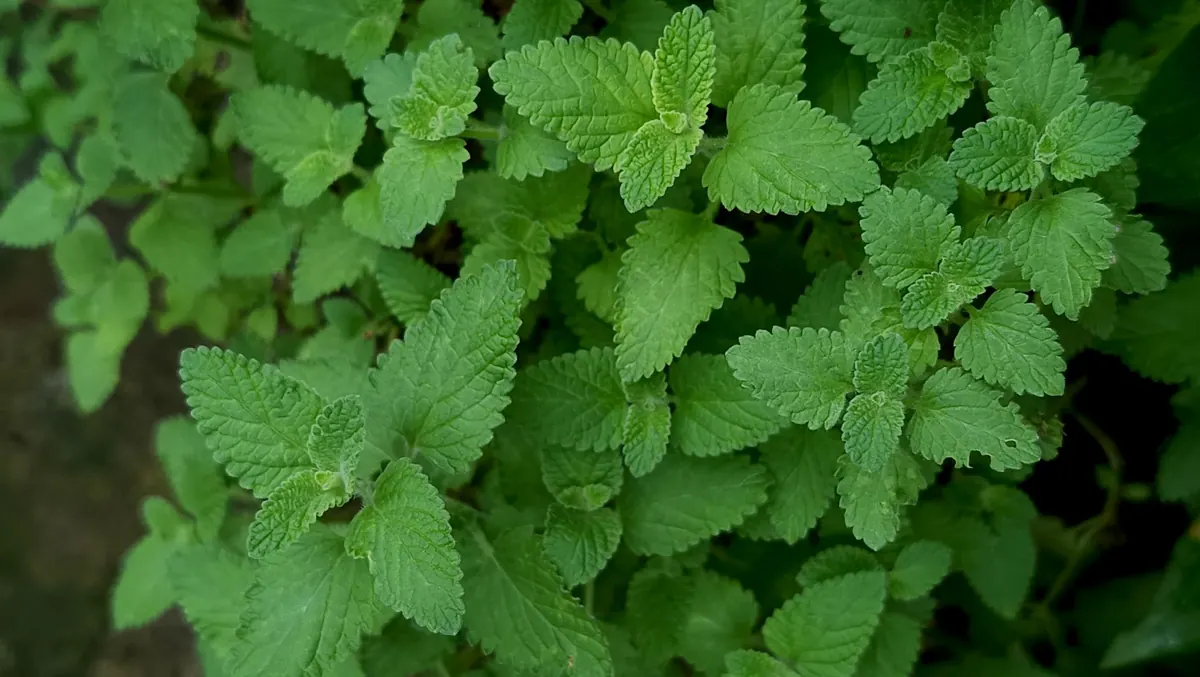
Plant mint and lemon balm in the same border and you will spend the next five summers pulling them out of the roses. Both are generous, long-season herbs with plenty of uses in the kitchen, and both belong to the mint family — square stems, paired leaves and a serious talent for travel. The difference lies in how they spread and how much work it takes to keep them where you put them. Understand that, and you can grow both with confidence, just not in the way most garden centre labels suggest.
Flavour: which one do you actually want?
Spearmint is the soft, sweet one: the mint for new potatoes, mint sauce, tabbouleh, pea and mint soup, and a jug of water on a hot day. Peppermint is sharper, with a strong menthol bite that can swamp a dish, which is why a little goes a long way in tea. Apple mint and chocolate mint sit somewhere in between, with rounder, gentler leaves.
Lemon balm (Melissa officinalis) is a different pleasure. Crush a leaf and you get lemon — clean, green, slightly minty underneath. It is delicate enough to use raw: torn into a salad with cucumber, chopped into a dressing, laid over grilled fish off the heat, or steeped in a cup with a slice of lemon. Heat flattens it, so add it at the end of cooking rather than into the pan.
That delicacy has a catch. Dried lemon balm loses most of its lemon, so freeze the leaves in ice cube trays or use them fresh. Mint, by contrast, dries and freezes well and holds its punch.
Growing habits compared
Both are hardy herbaceous perennials in the UK, dying back to the ground in winter and returning in spring. From there, they part company.
- Roots. Mint spreads by stolons — pale runners that travel just below the soil surface and root at every node. In moist, open soil a single plant can move a metre or more in one season and pop up on the far side of a path.
- Seed. Lemon balm's main trick is self-seeding. Plants flower through summer, set seed freely, and seedlings appear in gravel, paving cracks, lawn edges and gaps between shrubs. The clump also widens year on year through short underground shoots, but it is the seedlings that surprise people.
- Site. Mint likes moisture and will take part shade; it grows fastest in damp ground. Lemon balm copes well with dry spells and is happiest in full sun.
- Size. Mint generally stays around 30–60cm. Lemon balm reaches 60–90cm in flower and tends to flop, particularly after rain.
- Flowers. Both produce small summer flowers that bees work hard. Leave a few if you can spare the seed.
How to contain mint
If you want mint in the ground, plant it in a pot sunk into the border with the rim standing about 5cm proud of the soil. That lip is what stops runners creeping out at surface level. Choose a pot at least 30cm across — anything smaller dries out and stunts the plant — and check it twice a season. Runners will eventually reach the rim and drop over the edge; cut them off when you spot them, or lift the whole pot, trim the rootball and replant in fresh compost.
A bottomless bucket or a section of rigid edging works the same way, provided the top edge stays above soil level. What does not work is a pot with its rim buried flush, or planting mint "a little way off" from the roses and hoping.
If mint escapes, resist the urge to dig the border over — chopped stolons regrow. Instead, follow the runners by hand from the parent plant, lift them with a fork and pull them out whole. Repeat through the season. Mint in a container on paving is the easiest option of all, though it will need more watering and feeding.
How to contain lemon balm
Lemon balm rarely needs a barrier; it needs a pair of scissors. The plant itself is easy to live with, but one un-cut flower spike can scatter seed across the garden.
Cut the flowering stems as they form if you want no seedlings at all. If you would rather feed the bees, let the first flush flower, then cut the whole plant back to about 15cm once the flowers fade but before the seed turns brown and drops. It responds with a fresh crop of tender leaves within a couple of weeks, and you get a tidier clump into the bargain.
Seedlings that do appear are shallow-rooted and pull easily after rain, or hoe off on a dry morning. A 5cm mulch of garden compost or leafmould around the clump smothers most of them. One plant is plenty for a household; two if you make a lot of tea.
Three planting plans that work
- Two pots on the patio. Grow each herb separately in a 30–40cm container. No barrier, no seedlings in the border, and you can shift them into shade during a hot spell. Expect to water and feed more often than you would in the ground.
- Mint sunk, lemon balm loose. A rimmed pot for the mint, an open spot in the border for lemon balm where you can reach it with shears.
- Both in containers. If your garden is small, or your soil is light and full of gaps, keep both in pots. Add chives or parsley and the patio still works as a proper herb patch.
A year of keeping both in check
A simple routine does more than any barrier.
Spring: check the rims of sunk pots for escaping runners. Lift mint, divide the rootball and repot the healthiest section in fresh compost. Top-dress lemon balm with a little compost.
Early summer: harvest often. Pinch out the tips of mint to keep it bushy, and pick lemon balm before it flowers for the best flavour.
Midsummer: let some flowers open for pollinators, then cut lemon balm back hard before seed sets. Keep watering the pots — dry mint turns bitter and leggy.
Autumn: cut both back, clear away debris and mark the clumps so you do not plant over them during winter digging.
If you are pregnant, breastfeeding or taking regular medication, check with a pharmacist or GP before making either herb a daily tea.
Photo: F 植生记 / Pexels